



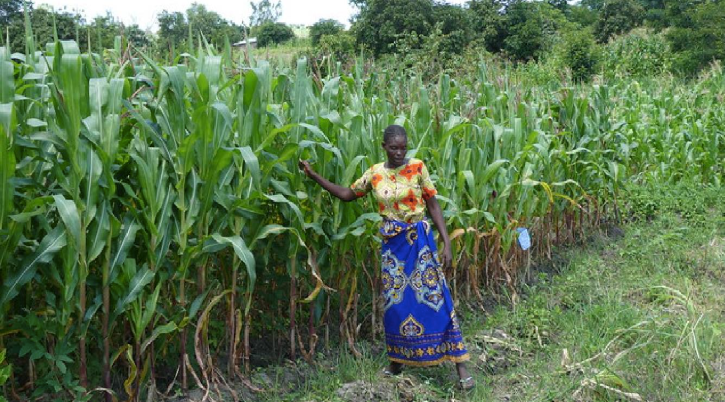
Across the vast landscapes of Sub-Saharan Africa, a quiet but determined revolution is taking root. It is unfolding in maize fields in Malawi, vegetable patches along Somalia’s river valleys, and the rolling highlands of Ethiopia. It is a revolution driven not by slogans or speeches, but by farmers—millions of them—seeking better tools, better seeds, and better opportunities to feed their families and earn a dignified living.
For decades, agriculture in Sub-Saharan Africa has operated below its potential. Though smallholder farmers produce 80 percent of the continent’s food, many remain trapped in low productivity, with yields far below global averages. Two-thirds of farmers use no fertilizer at all. Eighty-four percent use no pesticides. Only 1–3 percent of cropland is irrigated. Mechanization remains the lowest in the world. As a result, cereal yields hover at just around 1 ton per hectare in many regions—barely enough to sustain a family, let alone supply a growing continent. The consequences are visible in Africa’s swelling food import bill, projected to hit USD 110 billion by 2025. Yet, behind these challenges lies a powerful opportunity. A generation of African farmers, innovators, governments, and entrepreneurs is proving that transformation is not only possible—it is already underway.
This feature explores five pillars of that transformation: mechanization, improved seeds and fertilizers, irrigation, access to markets and finance, and modern advisory services. Taken together, they hold the key to shifting African farming from subsistence to success—from hoe to hope.
Replacing drudgery with opportunity. For many African farmers, the hand-hoe remains a daily reality—a symbol of back-breaking labor that limits how much land can be cultivated and when. Sub-Saharan Africa has just 8 tractors per 100 square kilometers of arable land. Globally, the average is 200. The result? Missed planting windows, small cultivated areas, heavy physical strain (especially for women), and high post-harvest losses. But change is underway. Startups like Hello Tractor, often dubbed the “Uber for tractors,” are connecting farmers with tractor owners through mobile apps, allowing millions of additional hectares to be cultivated. Countries like Ethiopia and Nigeria are rolling out community tractor-hire centers, while Kenya and Ghana are working to expand mechanization corridors. Read More
