



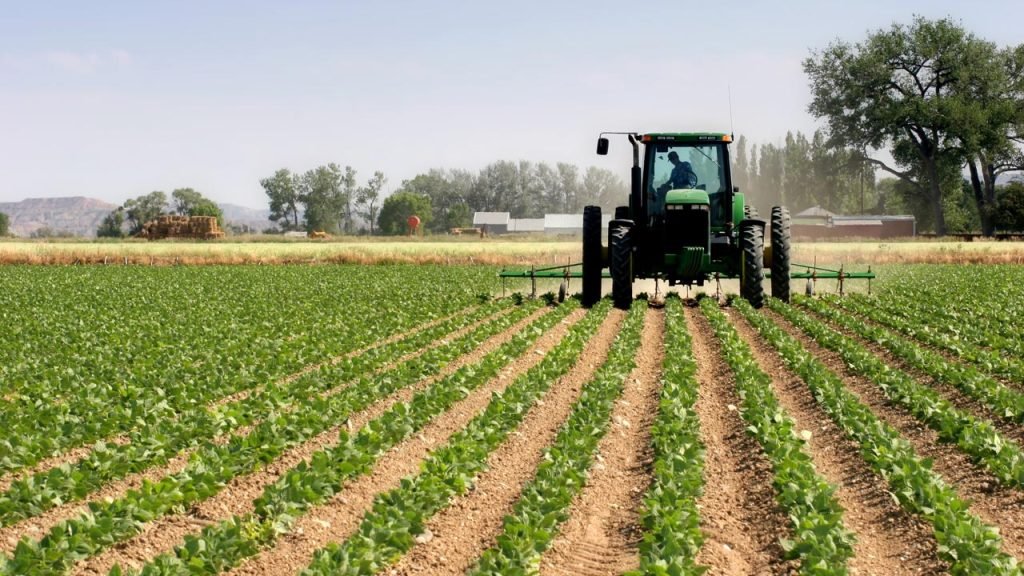
Mechanization is a key input in the agriculture sector value chains. The main types of mechanization in the country include the use of animal-drawn and motorized machinery, implements and equipment. Development and promotion of these mechanization initiatives has been carried out by the Government in collaboration with the private sector. In line with the Kenya Vision 2030, agricultural mechanization is expected to play a critical role in putting more land into agricultural production.
The country has not operated with a clearly defined agricultural mechanization policy. This, together with the existing strategies has not sufficiently addressed agricultural mechanization challenges leading to low level of agricultural mechanization in the country. The consequences have been environmental degradation, social and economic challenges including deterioration in produce quality, low agricultural production and under-utilization of agricultural land.
The increase in population and continued subdivision of agricultural land has generally resulted in diminishing area of farm units, which has negatively impacted on agricultural mechanization. Further, this trend is expected to continue in the foreseeable future and hence it is imperative that the mechanization activities take cognizance of this fact.
The need for agricultural mechanization has been brought to the fore by the decreasing availability of farm labour, lack of interest by the youth in farming activities and adverse change in climate. Therefore, there is need for more power for effective and efficient application in modern commercial agriculture.
The objective of this policy is to sustainably raise the level of agricultural mechanization for increased productivity and income of agricultural producers. This will be achieved through training, research and technology development, local manufacture and distribution, agricultural mechanization quality assurance, investments in mechanization services, extension and technology adoption and improved institutional and legal frameworks.
The policy intends to: create an enabling environment for mechanization development, build capacity for training, research and technology development, promote adoption of mechanization for increased productivity and provide quality assurance. The policy sets out goals and directions for present and future development and management of mechanization in the country. It consists of measures and guidelines which the government shall undertake to achieve optimal development of the sub-sector and from which laws governing its administration and management shall be formulated.
Additionally, the policy aims at giving a clear direction for sustainable growth and development of the agricultural mechanization sub-sector. The proposed interventions will be supported by appropriate institutional and legal framework and stakeholders in both national and county governments for successful implementation.
